|
|
|
Makeup Home | History | Testing | Mascara | Tools & Types | Applying Makeup |
|
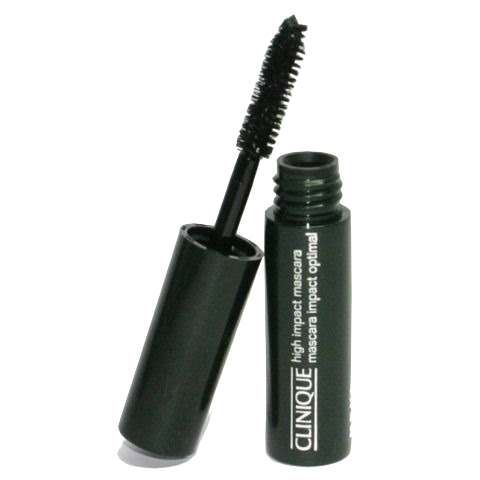
For lengthening: Recommended lengthening mascaras: *Clinique High Impact Mascara -- $13.50 -- This can be found at Macy's, Cos Bar, Dillard's, Neiman Marcus, Nordstrom, Saks Fifth Avenue, Sephora, and Ulta.
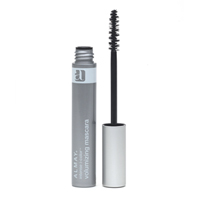
*Almay Amazing Lash 16 Hour Mascara -- $8 -- this can be found at any drugstore.
|
|
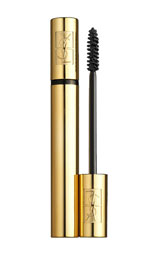
For intense curling: Recommended curling mascaras: *Yves Saint Laurent Infini Curl Mascara -- $25 -- It can be found at Fifth Avenue, Nordstrom and Neiman Marcus.
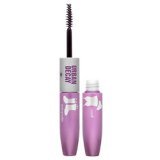
*Urban Decay Lingerie & Galoshes for Lashes -- $15.50 -- At sephora.
|
|
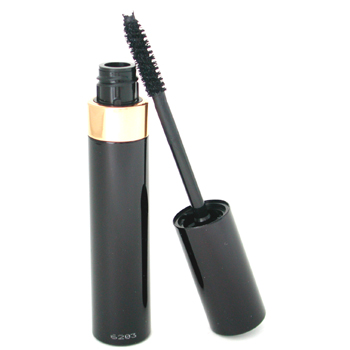
For volume: Recommended volume mascaras: *Chanel Cils à Cils Mascara -- $25 -- At Dillard's, Macy's, Neiman Marcus, Nordstrom, Sephora and Saks Fifth Avenue.
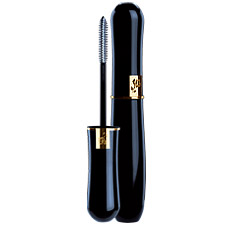
*Lancôme Fatale Mascara -- $22 -- At Dillard's, Macy's, Nieman Marcus, Nordstrom, Sephora and Saks Fifth Avenue.
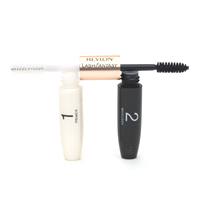
*Revlon Lash Fantasy Two Step Lash Magnifier -- $8.50 -- At most drugstores.
|
|
For tint: Recommended tinting mascaras: *Almay Intense i-Color Mascara -- $7.50 -- At most drugstores.
|
|
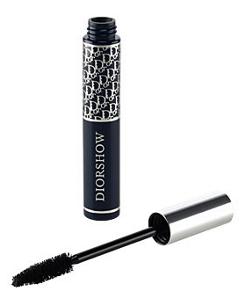
For the everything look: Recommended everything mascaras: *Dior Diorshow Mascara -- $23 -- At Dillard's, Macy's, Neiman Marcus, Nordstrom, Sephora, and Saks Fifth Avenue.
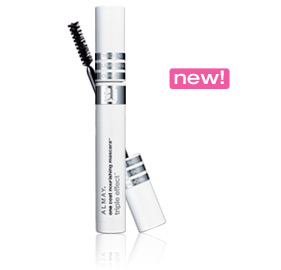
*Almay One Coat Mascara -- $8 -- At most drugstores.
|
|
The History of Mascara that you need to know! -The word mascara derives from the Italian word maschera, which means "mask". Modern mascara was created in 1913 by a chemist named T. L. Williams for his sister, Mabel. This early masscara was made from coal dust mixed with Vaseline petroleum jelly. The product was a success with Mabel, and Williams began to sell his new product through mail. His company Maybelline, a combination of his sister's name and Vaseline, eventually became a leading cosmetics company. -Mascara wasn't always available in the tube-and-brush form we know today. Prior to the 1950s, it was served up in cake form as shown in the illustration above. The tiny brush would be wet under running water, then rubbed back and forth across the cake until enough of the moistened oily substance had accumulated on the brush to suit the user. The product would then be stroked into the lashes and allowed to dry. Those early cake mascaras were made mainly of wax (most often of beeswax and the wax of the carnauba palm) and a coloring agent. Helena Rubinstein introduced the first automatic, no-water-needed version, the Mascaramatic, in 1957. -Mascara has improved greatly in last fifty years, but it continues to pose a danger to those who use it. A slip of the applicator can injure or irritate the eye or result in infection, and bacterial contamination of the product also can present a hazard. In extreme cases, dermatologists report, mascara has caused inflammation of the conjunctiva, the moucous membrane lining the eyelids, and allergic reactions. All told, each year a couple of thousand American women are treated in emergency rooms for mascara-related injuries.
Egyptians wore makeup? -Egyptians wore make to protect themselves from the sun, and for religious reasons. Mascara was used to recreate the Eye of Ré, god of the sun. Egyptians manufactured or imported make-up in a variety of colors, like reds and ochres, made from pigments and natural dyes. By 1640 BC, the primary ingredient in Egyptian mascara was Kohl-an ingredient still used in mascara today. During the early dynastic period (2920-2575 BC) malachite or copper ore was used to manufacture mascara. Most Egyptian noble women used cosmetics and took great care not to let the sun darken their complexions, but both men and women wore eye make-up to look beautiful and to protect their eyes from the desert sun.
|
|
Photographs by Chrissy Demkee
|