 |
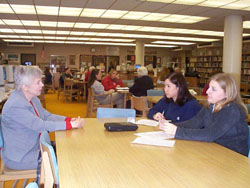
Ms. R Interviewed By: |
|
. |
|
|
A Glimpse into the Life of Mrs. R Mrs. R was born in 1922. She is of German and Irish descent. Her father was a policeman from St. Louis and her mother was a homemaker from Illinois. Her parents got divorced when she was a young child, and her father was killed in a barroom brawl when he was twenty-six. Her mother than had to bring up Mrs. R and her brother by herself during the Great Depression. They moved to an Indian reservation, where she began first grade alongside Native American children. The school was so poor that the children sat on orange crates because they could not afford desks. Her family was of the lower middle class at the time and had very little money. They only had one car and rented their home. After Mrs. R graduated from high school, she attended the University of California at Berkeley in the 1940s, where she met her Italian husband, Guido. They married when she was twenty because he was in the Navy and had to fight in World War II. Although he was overseas, he preferred that she stay home rather than work. Together they had four children, one daughter and three sons, who all became lawyers. In the 1960s Ruth attended San Jose State and became a librarian. She was a librarian for twenty years until she retired. She now lives in Rossmore and has nine grandchildren, six granddaughters and three grandsons. Mrs. R believes that the changes made since she was young, such as advancements in medicine, technology and communications, have positively impacted our society. However, she feels that people are not yet equal to one another. She believes that men still dominate because society is accepting of multiple partners. Therefore, a woman can not be sure her man is loyal. Mrs. R said that women have freedom and opportunity now, but back then they would have been seen as rebellious and promiscuous. When she was young, women were inferior to men. They were expected to do "grunt work" or be teachers, nurses and librarians. It was very rare for a woman to go into law, medicine, or engineering. Mrs. R said that she felt sorry for gifted women, and later when she attended San Jose State, she felt dumb compared to the many intelligent female students there. Mrs. R thinks that birth control is very important because one of the main worries of her time was pregnancy out of wedlock. Other medical concerns involved polio and cancer, but people never talked about such illnesses openly. Today it is much more common to hear about diseases such as AIDS, HIV, Alcoholism, and drug abuse. Racism still exists today, but now ending it is advocated. During Mrs. R's era, racism was prevalent and there was prejudice of all kinds, but mostly against women and minorities. Mrs. R witnessed this kind of prejudice at Cal Berkeley, and mentioned that there was only one woman in her husband's science class. She also said that her husband's Biology professor suggested he drop the class because he thought Italians didn't make good scientists. Mrs. R is pleased with some of the changes society has made. She knows that there is much more work to be done, but she believes we have come a long way since she was young. |
|